
Key Points
- Founding of a Community Publication: In 1996, journalist Lynn Chandler-Willis left corporate America and founded the Pleasant Garden Post, a biweekly community newspaper in Pleasant Garden, North Carolina, envisioning a publication focused on local faces, community events, and seasonal features.
- A Shocking Small-Town Murder: The peaceful routine of the town was shattered when Patricia Kimble—a 28-year-old devout church member and beloved local resident—was found dead inside her burned-out home, having suffered a gunshot wound to the back of the skull rather than dying from fire.
- The Investigation and Trial: The subsequent investigation revealed a sinister conspiracy orchestrated by Patricia’s husband, Ted Kimble (the son of a local preacher), and executed by his brother Ronnie Kimble, leading to intensive courtroom trials that Lynn Chandler-Willis covered daily.
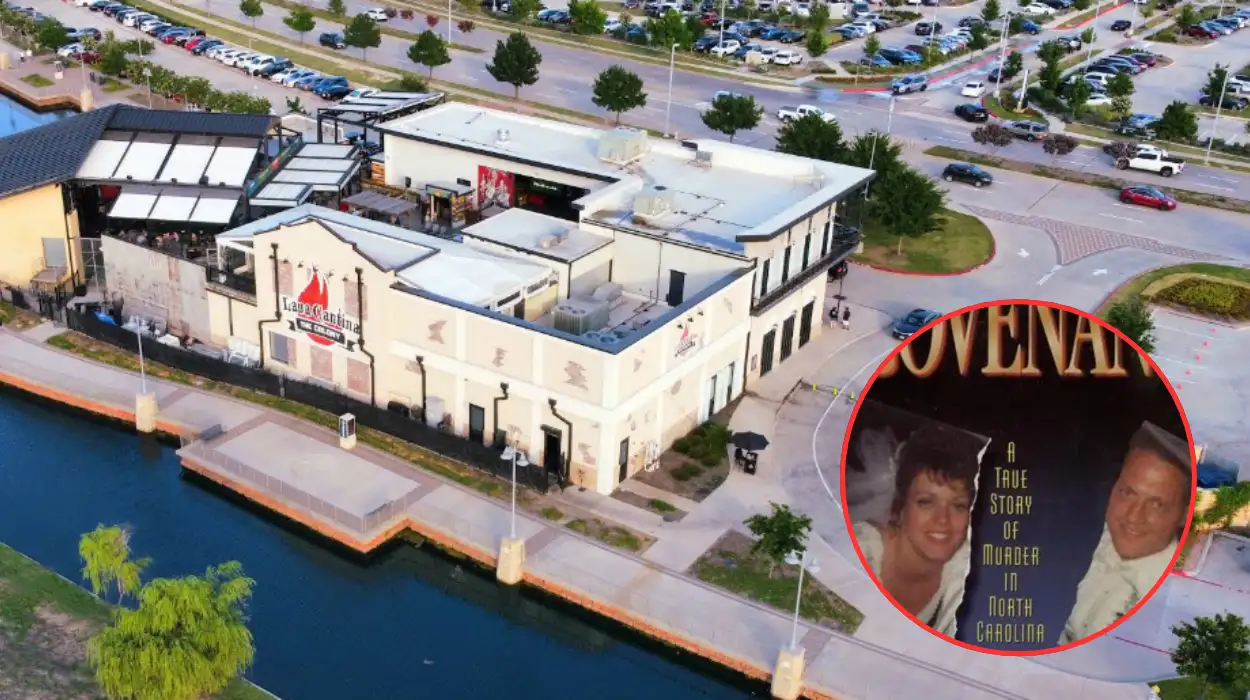
- Transition to True-Crime Publishing: After chronicling the entire legal proceedings for her newspaper, Chandler-Willis expanded her reporting into a bestselling true-crime book published initially as Unholy Covenant (and later republished as The Preacher’s Son), documenting the betrayal, diary entries, and community grief.
- Reflections on Crime Reporting: Reflecting on decades of media evolution, Chandler-Willis later discussed the emotional toll and ethical boundaries of true-crime writing, noting that while community journalism preserves local history, sensationalized crime narratives often force grieving families to repeatedly relive their deepest tragedies.
Pleasant Garden (Edition America) November 15, 2026 – When journalist Lynn Chandler-Willis established the biweekly Pleasant Garden Post in North Carolina during the mid-1990s, her editorial vision centred on wholesome local features, community faces, and peaceful town milestones. That quiet trajectory shifted permanently when a brutal murder rocked the close-knit municipality, compelling the community newspaper publisher to chronicle a dark tale of betrayal involving a local preacher’s family. Her extensive journalistic coverage ultimately culminated in a nationally published true-crime book, leaving an enduring impact on both her career and the collective memory of the region.
- Key Points
- How Did Lynn Chandler-Willis Transition From Community Journalism to True-Crime Author?
- What Were the Details of the Pleasant Garden Murder Case?
- How Did Writing a Bestselling True-Crime Book Impact the Author and Community?
- Background of Crime Reporting in Small-Town Southern Newspapers
- Prediction: How True-Crime Retrospectives Will Affect Local Archives and Reader Engagement
How Did Lynn Chandler-Willis Transition From Community Journalism to True-Crime Author?
As reported in retrospective profiles and literary retrospectives covering North Carolina journalism, Lynn Chandler-Willis studied journalism at Greensboro College before leaving the corporate sector in 1996 to launch the Pleasant Garden Post. The publication quickly established itself as a cornerstone of local life, earning an Outstanding Community Service Award in 1999 for its dedication to grassroots reporting.
However, the editorial focus of the newspaper changed abruptly following a horrific local homicide. As detailed by Lynn Chandler-Willis in accounts published by The Stiletto Gang and regional retrospectives in the Greensboro News & Record, the murder of 28-year-old Patricia Kimble became the sole homicide covered during the publication’s 13-year operational run. Sitting through every single day of the six-week trial of Ronnie Kimble, Chandler-Willis filled notebooks with testimonies, examined intimate diary entries entrusted by the victim’s family, and documented how a crime tainted by religious hypocrisy shattered the community’s sense of security.
What Were the Details of the Pleasant Garden Murder Case?
As documented in court records and Chandler-Willis’s published account—originally titled Unholy Covenant and later released as The Preacher’s Son: A True Story of Murder in North Carolina—the case centered on Patricia Blakley Kimble, a popular and devoutly religious young woman who married Ted Kimble, the son of a local Baptist preacher.
On a fateful afternoon, Patricia’s charred body was discovered amidst the wreckage of her burned-out home. Forensic investigations quickly revealed that she had not succumbed to a residential fire; rather, she had been shot in the back of the skull. Investigators uncovered that Ted Kimble had plotted with his brother, Ronnie Kimble, to murder Patricia out of financial and personal motivations. The meticulous exposure of Ted Kimble’s wall of lies, combined with Detective Church’s investigative rigor, formed the backbone of Chandler-Willis’s daily courtroom reporting.
How Did Writing a Bestselling True-Crime Book Impact the Author and Community?
Following the conclusion of the legal proceedings and the conviction of the Kimble brothers, St. Martin’s Press published Chandler-Willis’s manuscript in 2000. Local book release events drew hundreds of community members and multiple television news crews, reflecting intense public fascination with the tragedy.
Yet, reflecting on the experience years later, Chandler-Willis expressed complex feelings regarding the true-crime genre. In essays detailing her decision to step away from true-crime writing, she noted the ethical dilemmas and emotional friction involved when television producers and publishing houses repeatedly revisit hometown tragedies for commercial entertainment. She emphasized that while documenting judicial accountability is essential for a community seeking closure, continuous media exploitation risks preventing grieving families from finding true peace.
Background of Crime Reporting in Small-Town Southern Newspapers
Regional community newspapers in the United States frequently operate as intimate chroniclers of local triumphs, school milestones, and civic events. When violent crime strikes a small, close-knit municipality like Pleasant Garden, North Carolina—where generational roots run deep and public institutions like local churches anchor community identity—the impact of investigative reporting is magnified. Journalists working in these environments often face the delicate dual responsibility of serving the public’s right to know while maintaining personal and professional proximity to grieving relatives, law enforcement officers, and local judicial figures.
Prediction: How True-Crime Retrospectives Will Affect Local Archives and Reader Engagement
For regional historians, journalism students, and true-crime readership networks, revisiting landmark small-town cases through the lens of the journalists who originally covered them provides a crucial framework for understanding ethical journalism. As digital archives preserve historical court cases and community newspapers transition to digital formats, local reporting will continue to serve as the definitive first draft of history. For audiences consuming true-crime media, an increased awareness of victim advocacy and narrative sensitivity—championed by veteran reporters like Lynn Chandler-Willis—is expected to foster more respectful, community-centred storytelling that honours victims’ memories without sensationalising their trauma.